
The 2026 IMF-World Bank Spring Meetings (April 13–18, Washington D.C.) took place amid escalating global crises, including conflict in the Middle East, rising energy and food prices, and significant reductions in international aid. According to the OECD, Official Development Assistance recorded its largest annual decline on record, with a 56% reduction compared to 2024. At the same time, the United Nations system experienced a 27% cut in core contributions, creating additional pressure on humanitarian and development programs worldwide. For the MENA region and other developing economies, the impact has been severe. At least 12 countries are currently seeking emergency IMF financing as economic pressures continue to intensify across fragile and conflict-affected settings. Civil society organizations called for urgent reforms, including debt payment suspensions for conflict-affected countries, new allocations of Special Drawing Rights (SDRs), and governance reforms within both the IMF and World Bank. Many developing countries described institutional reform as the top priority within the global development finance agenda. The meetings underscored the growing gap between increasing global health and development needs and the international community’s ability and political willingness to respond effectively. |
Other News

Yemen Strengthens Outbreak Detection Through Field Epidemiology Training
August 20, 2026
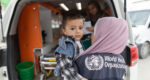
WHO Marks World Humanitarian Day, Calls for Protection of Health Workers in the Region
August 19, 2026

Egypt’s Universal Health Insurance Rollout Backed by New AFD Financing
August 11, 2026